
TL;DR:
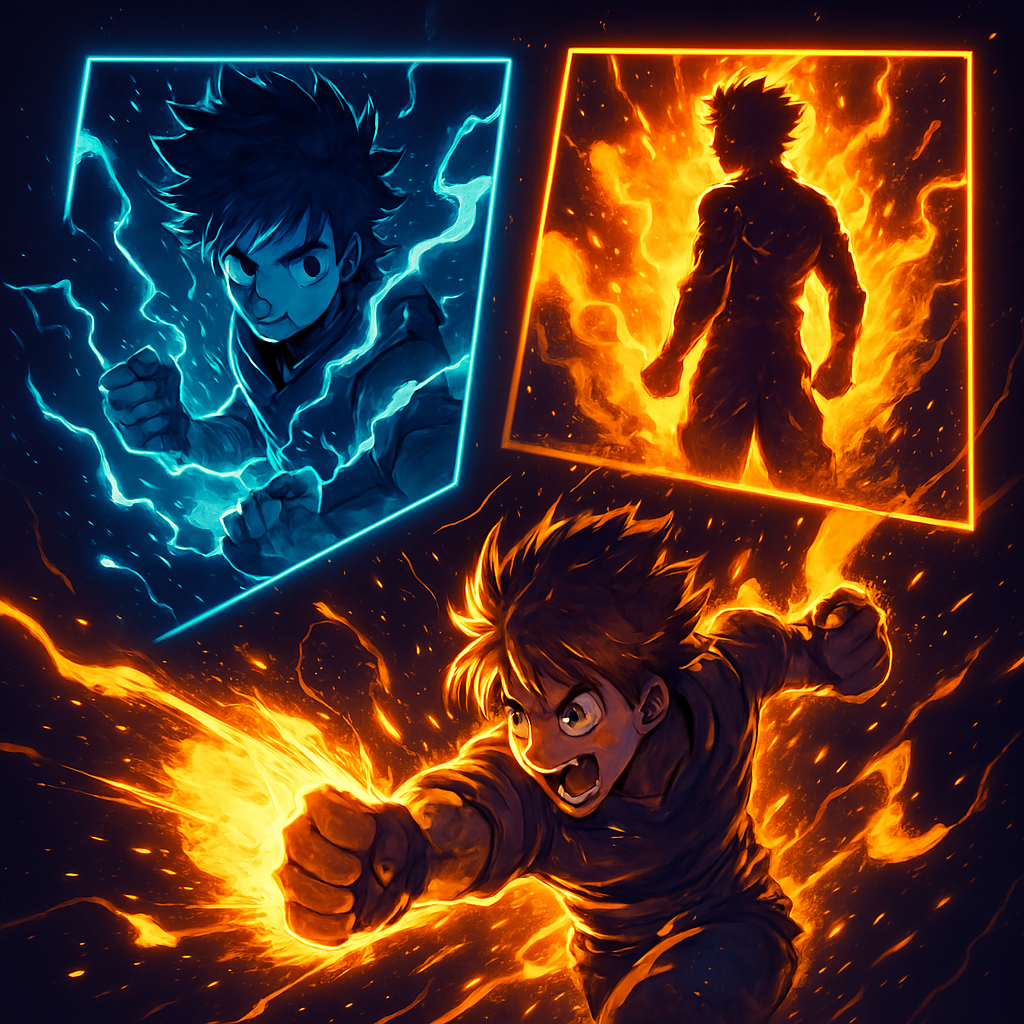
Shonen anime has evolved dramatically over the years—from the raw strength and endless battles of Goku in Dragon Ball Z to the emotionally complex, team-driven journey of Deku in My Hero Academia. Let’s break down how shonen storytelling, themes, and protagonists have changed with the times.
The Birth of the Classic Shonen Hero: Goku’s Era
When you think of shonen anime, Goku is almost always the first face that comes to mind. Dragon Ball Z (1989) solidified the archetype of the never-give-up warrior whose drive to be the strongest superseded all else.
Goku’s story emphasized:
• Power through training
• Endless battles and tournament arcs
• A simple, morally clear hero
This blueprint inspired a generation—from Naruto to Bleach—where protagonists pushed through increasingly absurd power ceilings, often sacrificing character development for hype moments.
The Naruto Shift: Emotion Meets Power
As the early 2000s rolled in, Naruto added layers of emotional storytelling to the mix. While Naruto still trained and fought like Goku, his journey also focused on loneliness, friendship, and legacy.
This era introduced:
• Character-driven flashbacks
• Complex villain motivations (e.g., Pain, Itachi)
• Themes of generational trauma and redemption
Shonen was still action-packed, but more introspective.
Enter Deku: The Relatable Underdog Hero
Then came My Hero Academia (2016) and its emotionally raw lead, Izuku Midoriya (Deku). Unlike Goku or Naruto, Deku didn’t start off with secret lineage or natural power. He was just a nerdy, quirkless fanboy in a world full of superheroes.
What makes Deku’s journey special:
• Earned power — He trains to use One For All without destroying himself
• Emotional vulnerability — Deku isn’t afraid to cry, doubt, or ask for help
• Team dynamics — The story isn’t just about him—it’s about a generation of heroes rising together
Deku’s arc reflects the values of modern storytelling: empathy, cooperation, and internal struggle.
New Themes, Same Energy
While the structure of shonen anime still includes tournament arcs, escalating villains, and iconic battles, the tone has shifted:
• Mental health and trauma are now part of character development (Jujutsu Kaisen, Chainsaw Man)
• Darker, morally gray narratives are embraced (Attack on Titan, Tokyo Ghoul)
• Female characters are gaining stronger roles (though still not always equal)
Why It Matters
Shonen isn’t just for kids anymore—it’s a mirror reflecting cultural evolution. The values of each generation show up in the heroes they love. From Goku’s endless optimism to Deku’s quiet resilience, the genre continues to grow with its audience.
Conclusion
The evolution from Goku to Deku isn’t just about fighting styles or animation quality. It’s about how we define strength. Today’s shonen heroes still fight the good fight, but they also face self-doubt, trauma, and moral complexity. And somehow, that makes them even stronger.
Sources:
• Crunchyroll. “The History of Shonen Anime.”
• Anime News Network. “How My Hero Academia Redefined the Shonen Hero.”
• Polygon. “Why Goku Still Defines the Genre, Decades Later.”
• CBR. “Deku vs Naruto: A Comparison of Two Generations of Shonen.”